









175
The idea for Behno emerged after Punjya witnessed the harsh realities of garment production in developing regions, where unsafe working conditions and economic inequity remain all too common. What he saw sparked a determination to build something different, a brand that values not just the product, but the people behind it. “Behno New York was born out of a deep desire to redefine how fashion intersects with consciousness, sustainability, and craftsmanship,” Punjya explains.
From that vision came The Behno Standard, a set of six guiding principles that serve as the brand’s foundation. These principles prioritize fair wages, women’s empowerment, safe workplaces, environmental responsibility, worker health, and access to family planning. Together, they form a comprehensive framework for a more equitable and transparent fashion ecosystem, proving that true luxury doesn’t come at the expense of human dignity or the planet.
Behno’s operations are based in New York City’s Garment District, just steps from Times Square, where its design studio and showroom operate side by side. This proximity to the city’s pulse, and its diversity, plays a vital role in shaping Behno’s identity. “The diversity of the city informs our identity and fuels our collaborations with local suppliers,” Punjya says.
Image Courtesy of Behno
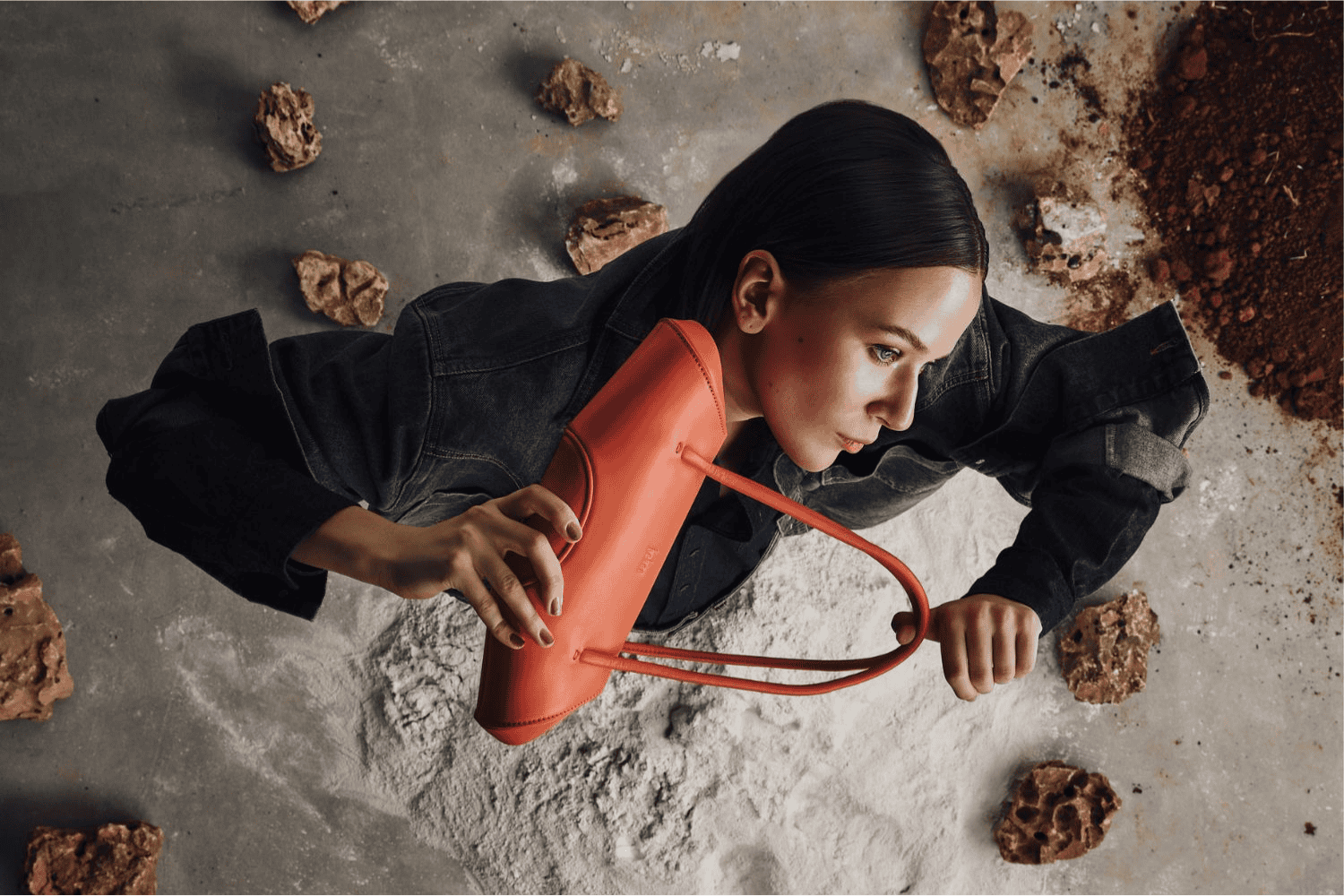
Every Behno handbag begins within what the brand calls the Maison de Behno, a global ecosystem of tanneries, thread manufacturers, artisans, and packaging experts—all working under the same ethos of excellence and integrity. The Maison model ensures that every link in the supply chain receives equal attention and respect. This approach allows Behno to maintain transparency and precision across every detail, from sourcing to stitching. The result is more than a finished product, it’s a testament to craftsmanship, community, and care.
What sets Behno apart is its acknowledgment that meaningful change in fashion doesn’t happen overnight. “We work with factories that aren’t perfect but are eager to change,” Punjya explains. “Change is a continual process, never an end goal.” Rather than seeking quick fixes or performative sustainability, Behno invests in long-term partnerships with international facilities that are progressively implementing The Behno Standard. Each collaboration brings the industry closer to accountability while uplifting the artisans who make it possible.
Image Courtesy of Behno
This commitment to incremental, lasting change extends to Behno’s work in India, where the brand partners with Loom to Luxury in Varanasi, the spiritual capital and centuries-old center for handwoven silk and muslin textiles. There, Punjya witnessed the artistry of weavers who have preserved techniques passed down for over five centuries. Through this collaboration, Behno not only supports their livelihood but also honors a cultural legacy that continues to define craftsmanship at its most authentic.Behno New York stands apart for something far more meaningful; integrity. Founded by Shivam Punjya
Behno’s partnership with NEST, a nonprofit organization championing an inclusive handworker economy, further deepens its social impact. NEST helps ensure that artisans, particularly women, gain access to fair wages, education, and safe working environments. Together, they’re creating a model that protects traditional skills while expanding opportunities for those behind the seams.
For Punjya and his team, sustainability isn’t a marketing trend, it’s the soul of the brand. Every Behno creation is built to last, both materially and ethically. By fusing modern design with mindful production, Behno offers a new definition of luxury: one that values transparency as much as aesthetics, and humanity as much as heritage.
Image Courtesy of Behno
“Luxury has always been about the rare and the beautiful,” Punjya says. “At Behno, we believe integrity is the rarest luxury of all.”
Through its steadfast dedication to collaboration, empowerment, and respect for craftsmanship, Behno New York is quietly building the future of fashion, one handbag, one artisan, and one principled step at a time.
In Partnership with APG
You can view the original article HERE.

:quality(85):upscale()/2024/02/07/984/n/1922564/1080495565c406533068b6.59693994_.png "Lululemon Dual Pouch Wristlet Review With Photos 2024")



:quality(85):upscale()/2025/06/09/747/n/1922564/3ad0244568471218347592.71639829_.jpg "See Hailey Bieber’s Best Bikinis and Swimsuits")