







The first image presented in Andrew Haigh’s 2011 romantic dramaWeekend is aview over Nottingham. The buildings don’t stand as tall as London’s and clusters of brick houses are swaddled by treelined parks. It’s not an instantly identifiable location for audiences outside of Nottingham, nor is it aquintessential image in British cinema, let alone queer film. This represents ararely acknowledged problem; Haigh’s precious film, which turns 15in 2026, remains one of asmall collection of films that explore the contemporary gay experience away from the capital. There is aconsistent tendency to rely on London as the foundation for queer British stories, depriving audiences of seeing beyond avery specific part of the country. When filmmakersdo venture outside of London, it turns out there are plenty of stories to tell that all benefit from aspecific sense ofplace.
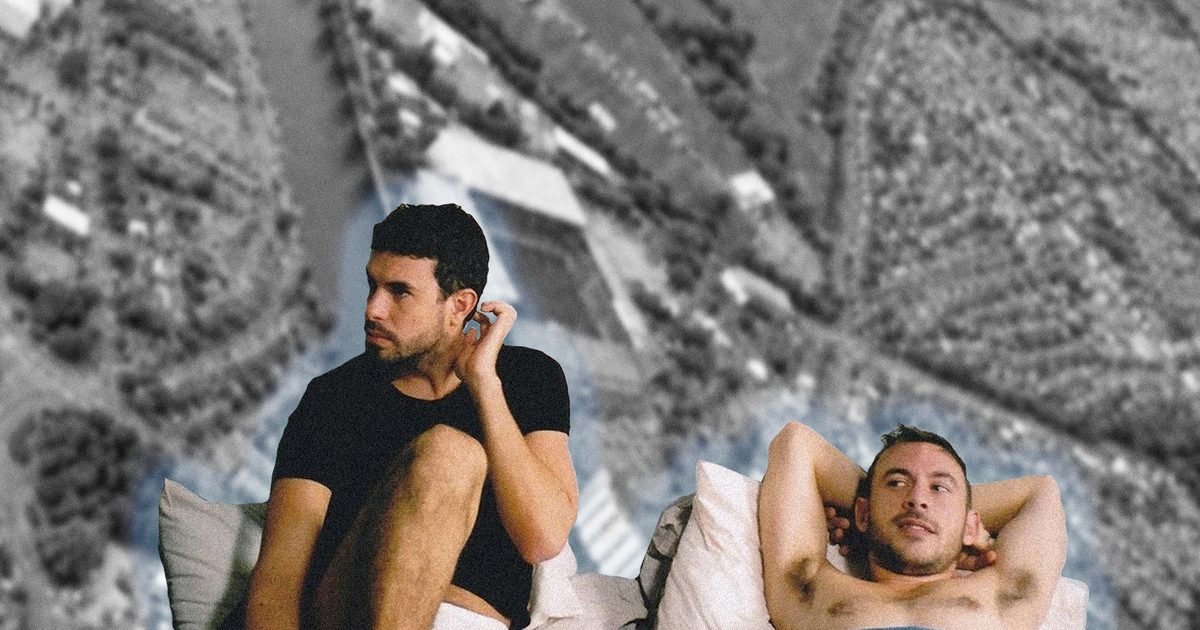
Haigh’s British mumblecore follows introverted English Midlands lifeguard Russell (Tom Cullen) and flirtatious art student Glen (Chris New) over 48hours as the erotic excitement of aone-night stand blurs into an emotional connection that transcends their short-lived time together. They meet when Russell stumbles into agay bar after ditching afriend’s party; Glen is initially impervious to his advances, but the pair end the night tangled in the oceanic blue bedsheets in Russell’s tower-block flat 14 floors above thecity.
Get more Little WhiteLies
Haigh is deliberate withWeekend’s location as well as timeframe. This isn’t an abstract, nondescript setting; Nottingham’s cityscape sits proudly centre frame. Even the film’s cinematic release poster shows both men huddled at Russell’s tower-block window, gazing out at the city below. The writer-director’s naturalistic filmmaking style goes as far as to treat the historic city as acharacter alongside Russell and Glen. Whether walking through dual-carriageway underpasses, drunkenly stumbling down King’s Walk, or seen from the window of ahigh rise flat,Weekendis grounded in Nottingham’s identity and the way its central characters move through thespace.
As more queer stories are able to break through at the cinema, certain questions arise time and time again (Should straight actors play gay roles? Are we tired of depressing gay storylines?), but it’s rare that the homogeny of setting in British queer cinema is recognised or challenged. Time and time again, queer stories set in the UK are rooted in London; it’s an obvious choice of course, with the capital serving as an emblem of opportunity and freedom. Take popular queer dramas like Matthew Warchus’sPride and Russell TDavies’s seriesIt’s aSin; London offers these characters an escape from small town life where they’re finally able to live openly and connect with others. While there’s nothing inherently wrong with displaying the vibrancy of queer life in London, this being the prevalent cinematic narrative risks reducing queer life in the UK to adebate over rural versus urban; atraditional (often repressive) pastoral life versus aliberal city existence.
So often in LGBTQ+ media, small-town life is presented as something you run from, only perpetuating this notion of homophobia attached to the rural. With this, queer characters are burdened with repression because they live in alocation detached from the UK’s city; there’s the assumption that gay people are closeted and that asense of queer community is desolate. But in Haigh’s film, gay bars are bustling; men are cruising; friends bash heads over ethics and politics, and the arts scene is thriving with unique exhibitions (Glen’s audio exhibition concept included). City life is not inhibited by not being London-centric.