

The bustling city of New Orleans, known for its vibrant music, rich history, and unbeatable spirit, was forever altered when Hurricane Katrina struck in late August 2005. Now, over two decades later, Netflix’s explosive three-part docuseries, Katrina: Come Hell and High Water, released on August 27, 2025, exposes painful truths authorities would have preferred to let slip beneath the floodwaters. By weaving harrowing survivor testimonies with never-before-seen archival footage and a scorching examination of governmental oversight, or, frankly, the lack thereof, the series thrusts audiences back into that fateful summer.
Katrina: Come Hell and High Water reframes the hurricane not simply as a natural disaster, but as a human-made calamity, spotlighting racial and economic inequities that shaped who could escape and who could not. As such, the series channels emotional resonance alongside prompt investigative action, exposing how systematic neglect turned a storm into an embodiment of institutional failure and broken promises.
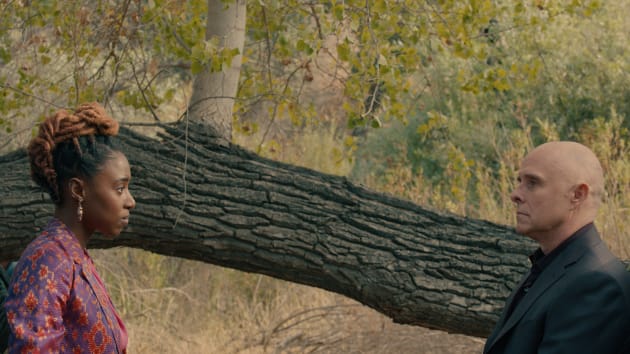
‘Katrina: Come Hell and High Water’ Reveals That the Storm of Neglect Was Man-Made
Netflix
At first glance, Katrina seems like a tale of nature’s fury, but this docuseries makes it clear that the disaster was born of human error and bureaucratic fault. With levees that collapsed under pressure they were never designed to bear, and evacuation policies that failed to protect the most vulnerable in society, Katrina: Come Hell and High Water exposes how governance and infrastructure fell dramatically short. Survivors recount how evacuation orders came too late, resources never arrived, and the policies in place failed those who had no vehicles or means of leaving. Many of these shortcomings affect people of color living in low-lying neighborhoods.
Diving deeper, the series also sheds light on the transformation of the Louisiana Superdome, which evolved from a refuge to a sort of prison. What was meant to be a “shelter of last resort” instead became a space of desperation and neglect. It was overcrowded and undersupplied, and despite guaranteeing safety for those evacuating, it did not offer what it promised to evacuees. The docuseries also chronicles accounts of families trapped in their attics, homes lifting off their foundation, and people writing SOS messages from rooftops, becoming a chilling testament to how quickly human error and ill-prepared response turned a tragedy into absolute mayhem.
Despite all it reveals, the most searing part of the docuseries is perhaps the critique of systematic inequity rooted in race and poverty. Media described Black people desperate for food as “looters,” yet labeled white people doing the same as “finding” food. Aid and rebuilding funds were funneled away from historically Black neighborhoods, and interventions such as the Make It Right housing initiative, backed by celebrity goodwill, turned out to be rife with structural failings, leaving homeowners with crumbling foundations and legal battles.
‘Katrina: Come Hell and High Water’ Reveals Dark Truths
Netflix
Through rare, never-before-aired footage, and intimate home videos recorded by residents, viewers witness the raw, unmediated chaos that the mainstream media overlooked or brushed past. From family-shot clips of houses floating in murky water to images of desperate pleas scrawled across rooftops, Katrina: Come Hell and High Water exposes heartbreaking visuals that authorities likely hoped would fully fade from collective memory.
Beyond visuals, the narrative also contrasts the portrayal of different communities in real time. The docuseries draws attention to the blatant differences in how news outlets choose to describe white individuals and Black individuals, vilifying the latter. These jarring juxtapositions compel viewers to confront how language ultimately holds the power to shape empathy, and how narrative control can become another form of erasure.
Another striking revelation in the docuseries is the extent to which official records downplayed the death toll and concealed the scope of the tragedy. Survivors describe entire blocks where bodies went unrecovered for weeks, while authorities released figures that vastly underestimated the human cost. Archival documents and on-the-ground footage reveal how numbers were quietly revised and data manipulated, raising questions about accountability and transparency. These buried details elevate Katrina from being a weather disaster into a cautionary tale about institutional dishonesty.
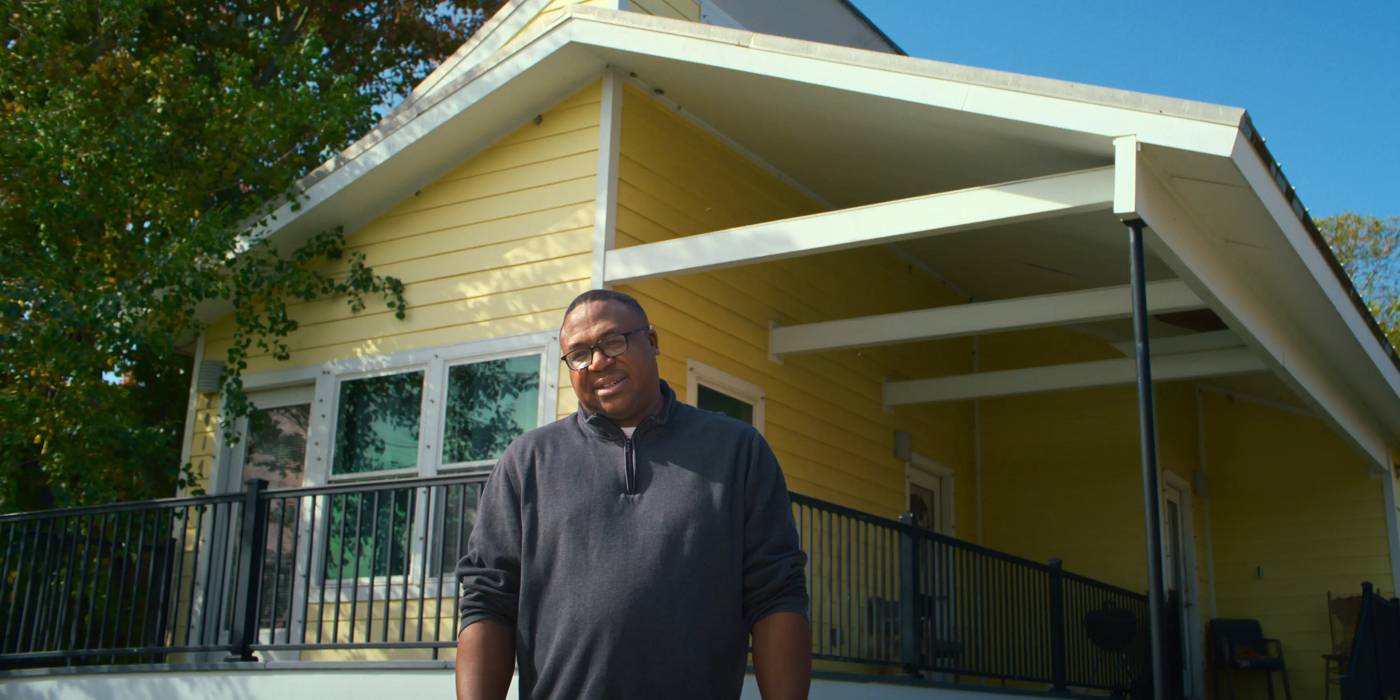
‘Katrina: Come Hell and High Water’ Depicts the Resilience of Survivors
Netflix
Amid devastation, the true heart of New Orleans emerges in the docuseries, carrying a truth that threatens mainstream, polished narratives. Katrina: Come Hell and High Water immortalizes survivors telling their own stories, including residents who returned despite lacking support, artists who keep traditions alive, and community leaders rebuilding their neighborhoods from the ground up. Their voices insist that resilience was not an option, but the heartbeat that kept the community going even when official accounts chose to sideline them.
Resilience also shines through in how communities resisted policies that threatened to erase their neighborhoods and culture. Even as gentrification and redevelopment plans displaced families and reshaped historic areas, residents pushed back, holding on to traditions, reopening local businesses, and preserving spaces that defined their identity. The series highlights how this defiance and determination to rebuild on their own terms became as vital as food or shelter in the aftermath of Katrina.
Although a harrowing account, Katrina: Come Hell and High Water concludes on a fiery note of hope. Doing more than simply commemorating the 20th anniversary of Hurricane Katrina, the series tears back the veneer of collective amnesia, unmasking the ugly mechanics of neglect, racism, and bureaucratic failures. However, it also offers a powerful counter-narrative that values culture, community, and resistance over trauma. In doing so, it reminds audiences that memory is a form of justice and that storytelling is the groundwork for accountability. Katrina: Come Hell and High Water is now streaming on Netflix.
You can view the original article HERE.